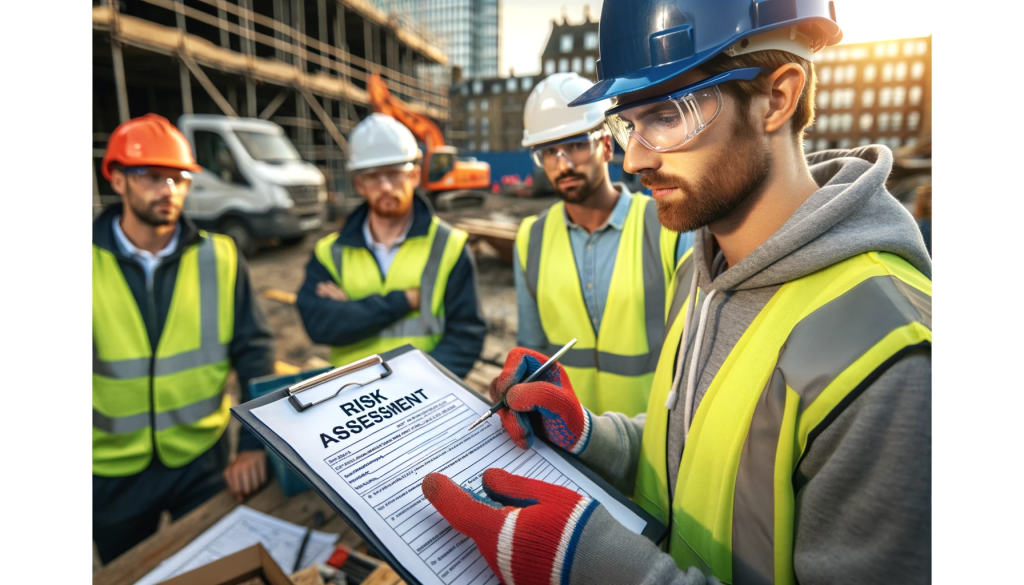
Well, they are not really called the Risk Assessment Regulations, the correct name is The Management of Health and safety at work Regulations 1999, but you didn’t come here to be a solicitor, did you?
- Risk Assessment (Regulation 3)
- Principles of Prevention to be Applied (Regulation 4)
- Health and Safety Arrangements (Regulation 5)
- Health Surveillance (Regulation 6)
- Health and Safety Assistance (Regulation 7)
- Procedures for Serious and Imminent Danger and for Danger Areas (Regulation 8)
- Contacts with External Services (Regulation 9)
- Information for Employees (Regulation 10)
- Co-operation and Co-ordination (Regulation 11)
- Persons Working in Host Employers’ or Self-employed Persons’ Undertakings (Regulation 12)
- Capabilities and Training (Regulation 13)
- Employees’ Duties (Regulation 14)
- Temporary Workers (Regulation 15)
- Risk Assessment for New or Expectant Mothers (Regulation 16)
- Certificate for New or Expectant Mothers (Regulation 17)
- Notification by New or Expectant Mothers (Regulation 18)
- Protection of Young Persons (Regulation 19)
- Risk Assessment (Regulation 3): Basically, bosses have to keep an eye on potential risks in the workplace – stuff like injuries, illnesses, and even property damage. Got to make sure everything’s as safe as can be.
- Principles of Prevention (Regulation 4): After spotting those risks, employers and self-employed folks need to take steps to prevent or control them. Safety first!
- Health and Safety Arrangements (Regulation 5): If a company has more than five staff, they need to jot down the important stuff from their risk assessments and keep records. Paperwork, you know?
- Health Surveillance (Regulation 6): Employers need to keep tabs on their employees’ health if there are health risks involved. Regular check-ups for those in risky jobs that involve dust, noise, chemicals and vibration for instance.
- Health and Safety Assistance (Regulation 7): Companies need to put someone in charge of keeping things safe and sound – basically, a safety advisor. If you can’t afford one, find a contractor.
- Procedures for Serious and Imminent Danger (Regulation 8): For those hair-raising moments, like fires or evacuations, bosses need to have a plan. Safety drill, anyone?
- Contacts with External Services (Regulation 9): Companies need to have a plan for getting help from outside if needed. Think of it like having a hotline for emergencies.
- Information for Employees (Regulation 10): Workers have the right to know what risks they might face and what’s being done to keep them safe. No secrets here.
- Co-operation and Co-ordination (Regulation 11): Employees need to play their part too – follow the safety rules and work together to keep everyone safe.
- Persons Working in Host Employers’ or Self-employed Persons’ Undertakings (Regulation 12): This one’s about making sure everyone, no matter where they work, sticks to the safety script.
- Capabilities and Training (Regulation 13): Bosses need to train their staff in safety stuff, especially when they’re new or when things change.
- Employees’ Duties (Regulation 14): Workers need to use the safety training they’ve had, especially when dealing with machinery or dangerous stuff.
- Temporary Workers (Regulation 15): Companies must make sure temp workers know what they’re doing and the risks involved. Safety is everyone’s business.
- Risk Assessment for New or Expectant Mothers (Regulation 16): Special risk assessments for mums-to-be to make sure they’re safe at work.
- Certificate for New or Expectant Mothers (Regulation 17): If a doctor says work isn’t safe for a mum-to-be, the employer should find a safer job for her.
- Notification by New or Expectant Mothers (Regulation 18): New or expectant mums have to let their employer know what’s going on – it’s all about keeping them safe.
- Protection of Young Persons (Regulation 19): Youngsters at work need extra protection because they’re still learning the ropes. No pushing them too hard.
So, these rules cover pretty much everything, from checking for dangers to keeping everyone trained up. They even look out for new mums and young workers. Safety is the name of the game!
 SafetyWithMe
Leave a comment