nednailer
-
NEBOSH: Element 1: The definition of Hazardous Event
A hazardous event refers to a potential situation with the capacity to cause harm, encompassing natural events like floods and human-induced occurrences such as chemical spills. Understanding these events is critical for risk assessment and implementing preventive measures. It differs from a hazard, which represents the potential danger itself.

-
NEBOSH: Element 1: The definition of Hazard
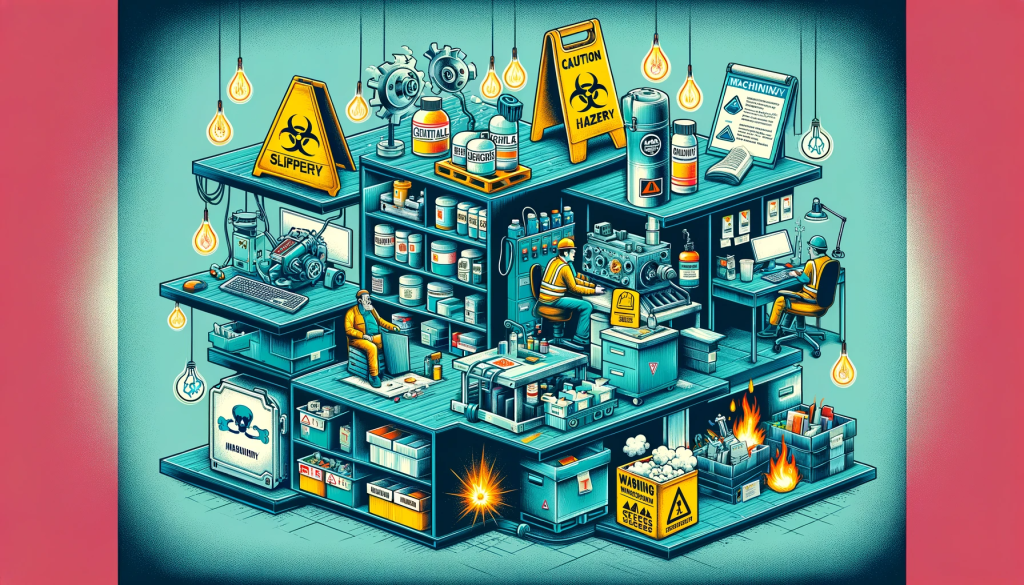
A hazard is anything with the potential to cause harm or damage, such as slippery floors, toxic substances, biological germs, and workplace stress. Identifying and managing hazards is crucial for maintaining safety in various environments like construction sites, laboratories, and offices. Recognizing hazards is essential for risk assessment and ensuring safety.
-
NEBOSH: Element 1: The Risk Assessment Regulations
The regulations outlined cover risk assessment, prevention principles, health and safety arrangements, surveillance, assistance, emergency procedures, external contacts, employee information, cooperation, training, and special provisions for new mothers and young workers. The focus is on ensuring a safe work environment and addressing potential risks comprehensively.
Capabilities and Training, Certificate for New or Expectant Mothers, Co-operation and Co-ordination, Contacts with External Services, Element 1, Employees’ Duties, Health and Safety, Health and Safety Arrangements, Health and Safety Assistance, Health Surveillance, Information for Employees, NEBOSH, NEBOSH Element 1, Notification by New or Expectant Mothers, Persons Working in Host Employers’ or Self-employed Persons’ Undertakings, Principles of Prevention to be Applied, Procedures for Serious and Imminent Danger and for Danger Areas, Protection of Young Persons, Regulation 10, Regulation 11, Regulation 12, Regulation 13, Regulation 14, Regulation 15, Regulation 16, Regulation 17, Regulation 18, Regulation 19, Regulation 3, Regulation 4, Regulation 5, Regulation 6, Regulation 7, Regulation 8, Regulation 9, risk assessment, Risk Assessment for New or Expectant Mothers, Risk Assessment Regulations, Safety Procedures, Safety Regulations, Safety Training, Temporary Workers, Workplace Safety
-
NEBOSH: Element 1: Duties under the Health and Safety at Work etc Act 1974
The content covers employer responsibilities for employee safety, obligations beyond employees, premises safety for non-employees, manufacturing and supply safety, employee duties, and respect for safety equipment. It emphasizes creating a safe working environment, proper training, and looking out for everyone’s safety. The law aims to ensure a hazard-free workplace and collective responsibility for safety.
-
NEBOSH: Element 1: Section 2, Employers Duties (-) The Health and Safety at Work etc Act 1974
Section 2 of the Health and Safety at Work Act outlines employers’ responsibilities for workplace safety. This includes ensuring safe equipment, proper handling of materials, informing and training employees, maintaining a safe work environment, and establishing safety policies and committees. It emphasizes the importance of ongoing communication and teamwork for a genuinely safe and healthy…
Employee Welfare, Employer Responsibility, Hazard Prevention, Health and Safety, Health and Safety at Work Act, Health and Safety Policy, legal compliance, Risk Management, Safety Committees, Safety Regulations, Safety Representatives, Safety Training, Workplace Environment, Workplace Safety, Workplace Safety Standards
-
NEBOSH: Element 1: The Health and safety at work etc Act 1974 Overview
The Health and Safety at Work etc. Act 1974 in the UK covers nearly all workplaces, including responsibilities for bosses and employees, as well as the self-employed. It outlines regulations for safety, penalties for non-compliance, and extends to public safety. The act aims to ensure overall workplace safety and welfare for everyone involved.

-
NEBOSH: Element 1: The legal framework for Health and Safety Law
The UK’s health and safety regulation is governed by a robust legal framework, including primary and secondary legislation, common law, guidance documents, and international influences. The Health and Safety at Work Act 1974 is the cornerstone, supported by various regulations covering risk assessment, hazardous substances, workplace environment, and reporting requirements. This multifaceted framework aims to…

-
NEBOSH: Element 1: Justifying safety controls with Moral, Legal and Financial Arguments
An argument is a set of statements presented to support a point of view. Moral arguments emphasise ethical responsibility, valuing human life, and providing a safe work environment. Financial arguments stress cost savings and long-term stability. Legal arguments highlight legal obligations and consequences, providing a comprehensive framework for health and safety improvements in the UK.
Accident Reduction, Cost Savings, Culture of Care, Employers’ Liability Insurance, Ethical Responsibility, Financial Arguments, Financial Benefits, Health and Safety at Work Act 1974, Health and Safety Improvements., Human Life, Justifying Safety Controls, Legal Arguments, Legal Consequences, legal obligations, Long-term Stability, Moral Arguments, NEBOSH, public liability insurance, Safe Work Environment, UK Regulations, What is an argument?
-
NEBOSH: Element 1: 10 Uninsured costs after an incident
Workplace accidents and ill health can result in more than just insurance costs. Ten significant uninsured costs include lost productivity, recruitment and training expenses, investigation time, administrative costs, equipment repair, legal fees, fines, employee morale, reputation damage, and long-term health expenses. Understanding these costs is vital for businesses to address workplace safety effectively.
Administrative Expenses, Business Impact, Employee Health, Employee Morale, Equipment Repair, Fines and Penalties, Health and Safety Regulations, Investigation Time, Legal Fees, Long-term Health Costs, Lost Productivity, Recruitment and Training, Reputation Damage, Risk Management, Safety Measures., Uninsured Costs, Workplace Accidents, Workplace Safety, Workplace Well-being
-
NEBOSH: Element 1: 4 types of Insurance. The role of insurance in safety.
The content discusses various types of insurance, including car or fleet insurance, employers’ liability insurance, public liability insurance, and professional indemnity insurance. It explains their purposes and legal requirements in the UK, highlighting the differences between insurance cover and the law, particularly in terms of risk mitigation, financial protection, legal compliance, and conflict of interest.
car insurance, conflict of interest, Employers’ Liability Insurance, financial protection, fleet insurance, insurance vs law, legal accountability, legal compliance, legal obligations, legal requirements, professional indemnity insurance, public liability insurance, risk assessment, risk mitigation, UK insurance
 SafetyWithMe