Health and Safety
-
NEBOSH: Element 1: The definition of Hazard
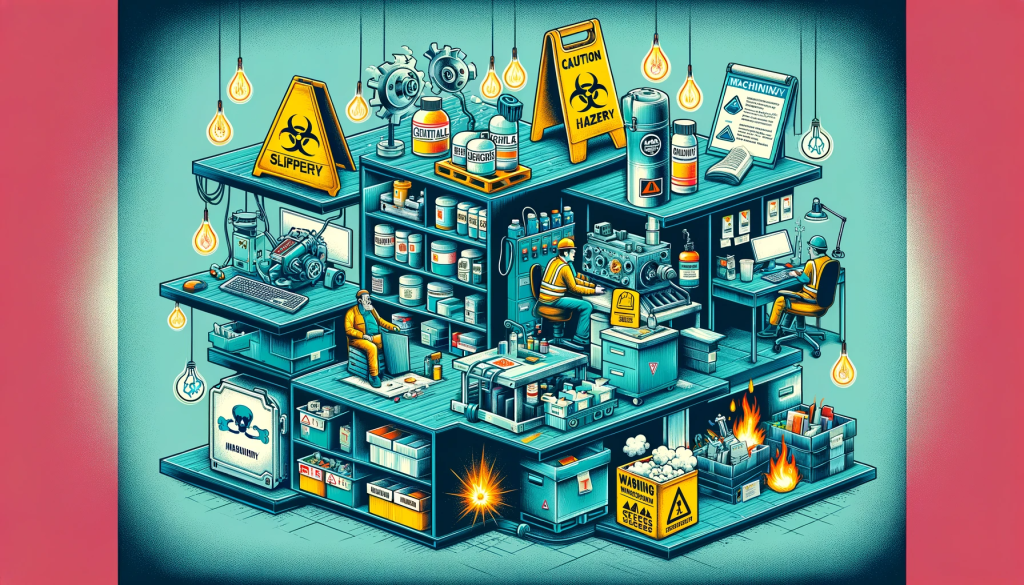
A hazard is anything with the potential to cause harm or damage, such as slippery floors, toxic substances, biological germs, and workplace stress. Identifying and managing hazards is crucial for maintaining safety in various environments like construction sites, laboratories, and offices. Recognizing hazards is essential for risk assessment and ensuring safety.
-
NEBOSH: Element 1: The Risk Assessment Regulations
The regulations outlined cover risk assessment, prevention principles, health and safety arrangements, surveillance, assistance, emergency procedures, external contacts, employee information, cooperation, training, and special provisions for new mothers and young workers. The focus is on ensuring a safe work environment and addressing potential risks comprehensively.
Capabilities and Training, Certificate for New or Expectant Mothers, Co-operation and Co-ordination, Contacts with External Services, Element 1, Employees’ Duties, Health and Safety, Health and Safety Arrangements, Health and Safety Assistance, Health Surveillance, Information for Employees, NEBOSH, NEBOSH Element 1, Notification by New or Expectant Mothers, Persons Working in Host Employers’ or Self-employed Persons’ Undertakings, Principles of Prevention to be Applied, Procedures for Serious and Imminent Danger and for Danger Areas, Protection of Young Persons, Regulation 10, Regulation 11, Regulation 12, Regulation 13, Regulation 14, Regulation 15, Regulation 16, Regulation 17, Regulation 18, Regulation 19, Regulation 3, Regulation 4, Regulation 5, Regulation 6, Regulation 7, Regulation 8, Regulation 9, risk assessment, Risk Assessment for New or Expectant Mothers, Risk Assessment Regulations, Safety Procedures, Safety Regulations, Safety Training, Temporary Workers, Workplace Safety
-
NEBOSH: Element 1: Section 2, Employers Duties (-) The Health and Safety at Work etc Act 1974
Section 2 of the Health and Safety at Work Act outlines employers’ responsibilities for workplace safety. This includes ensuring safe equipment, proper handling of materials, informing and training employees, maintaining a safe work environment, and establishing safety policies and committees. It emphasizes the importance of ongoing communication and teamwork for a genuinely safe and healthy…
Employee Welfare, Employer Responsibility, Hazard Prevention, Health and Safety, Health and Safety at Work Act, Health and Safety Policy, legal compliance, Risk Management, Safety Committees, Safety Regulations, Safety Representatives, Safety Training, Workplace Environment, Workplace Safety, Workplace Safety Standards
-
NEBOSH: Element 1: 10 Legal reasons to Manage safety
The Health and Safety at Work Act 1974 imposes legal duties on employers to ensure workplace safety. It includes workplace regulations, insurance requirements, duty of care, occupational health, reporting obligations, penalties, and legal liability. Non-compliance can lead to fines, legal liability, and compensation claims. Managing safety is a legal obligation under UK British law.
British Employment Law, Civil Liability, Compensation Claims, Contractual Law, Duty of Care, Employee Rights, Employers’ Liability Insurance, Health and Safety, Health and Safety at Work Act 1974, Insurance Requirements, Legal Liability, Occupational Health, Penalties and Fines, Reporting Requirements, Risk Assessments, Tort Law, Workplace Regulations, Workplace Safety
 SafetyWithMe